
Classic animated TV specials
Animeil-TV: the classic animated TV specials and family films of 1960 to 1999, and where to watch them
223 specials, shorts and family films: Charlie Brown and Snoopy, Dr. Seuss, Rankin/Bass, Chuck Jones, the Pink Panther, the later Looney Tunes, Garfield, British Christmas specials and storybook classics. Search a title and press Watch now.
Tonight on Animeil-TV
| Time | Programme | Type | Year |
|---|---|---|---|
| 6:00 pm | 'Twas the Night Before ChristmasWhen a town learns that Santa Claus has struck it off his delivery schedule due to an insulting letter, a way … | Special | 1974 |
| 6:25 pm | The Phantom TollboothA young boy named Milo unexpectedly receives a magic tollbooth and, out of boredom, drives through it and ente… | Film | 1970 |
| 7:55 pm | You're in Love, Charlie BrownWith the school year coming to a close, Charlie Brown is trying to work up the courage to meet his dream girl,… | Special | 1967 |
| 8:20 pm | Horton Hears a Who!In this story, Horton discovers there is a microscopic community of intelligent beings called the Who's li… | Special | 1970 |
| 8:50 pm | Here Comes Peter CottontailPeter Cottontail wants to be the #1 chief Easter Bunny, and everyone in April Valley agrees...except for Evil … | Special | 1971 |
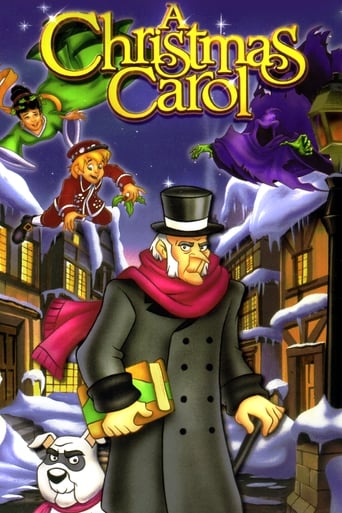
| 9:45 pm | A Christmas CarolMiser Ebenezer Scrooge is awakened on Christmas Eve by spirits who reveal to him his own miserable existence, … | Special | 1971 |
| 10:10 pm | Around the World With Timon & PumbaaJoin Timon and Pumbaa, your favorite friends from The Lion King, for outrageous laughs and high-spirited, glob… | Film | 1996 |
| 11:25 pm | The Brave Little Toaster Goes to MarsBased on the book by Thomas M. Disch and intended as the third film in the series, this sequel was finished an… | Film | 1998 |
| 12:40 am | Gargoyles the Movie: The Heroes AwakenAfter a magic spell in 10th century Scotland turns them to stone, a group of gargoyles that turn to flesh and … | Film | 1995 |
| 2:05 am | I Yabba-Dabba Do!A grown-up Pebbles and Bamm-Bamm decide to get married.… | Film | 1993 |



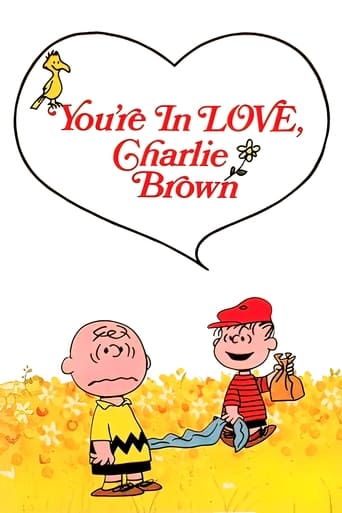 '67You're in Love, Charlie Brown
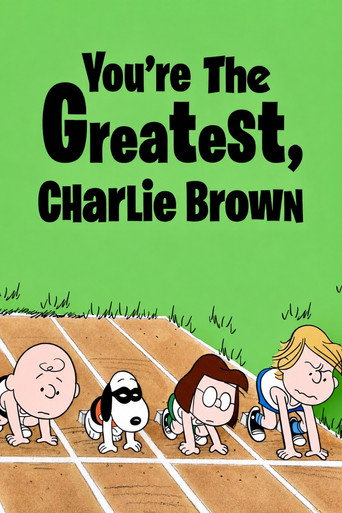 '79You're the Greatest, Charlie Brown
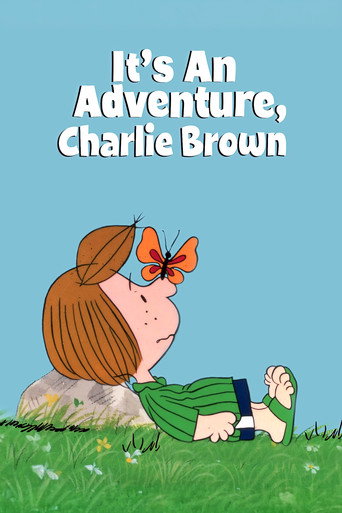 '83It's an Adventure, Charlie Brown
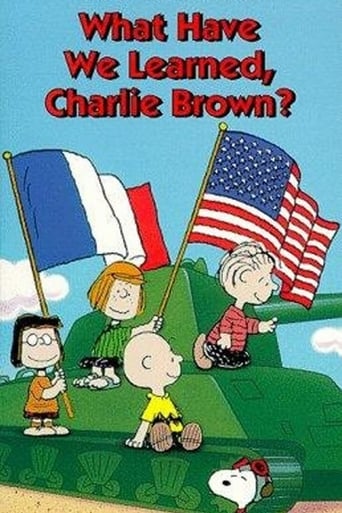 '83What Have We Learned, Charlie Brown?
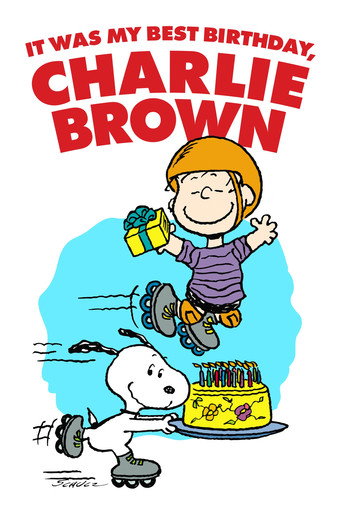 '97It Was My Best Birthday Ever, Charlie Brown!
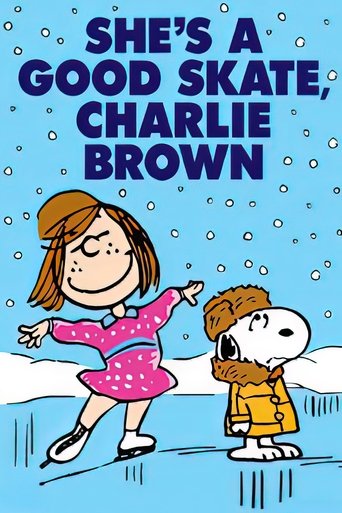 '80She's a Good Skate, Charlie Brown
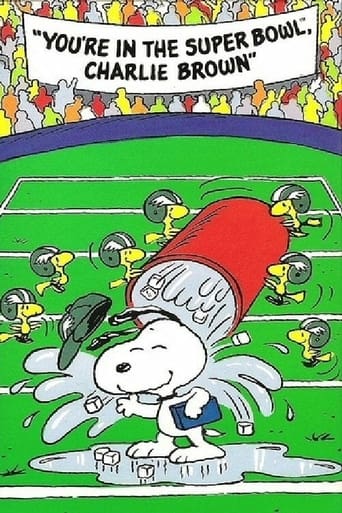 '94You're in the Super Bowl, Charlie Brown!
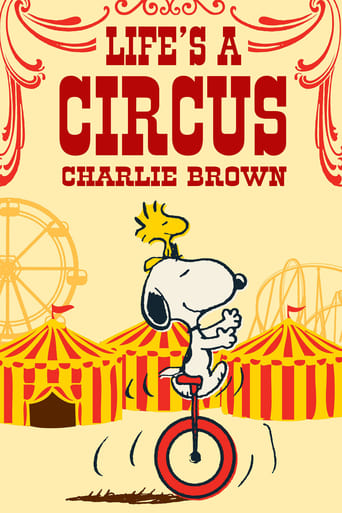 '80Life Is a Circus, Charlie Brown
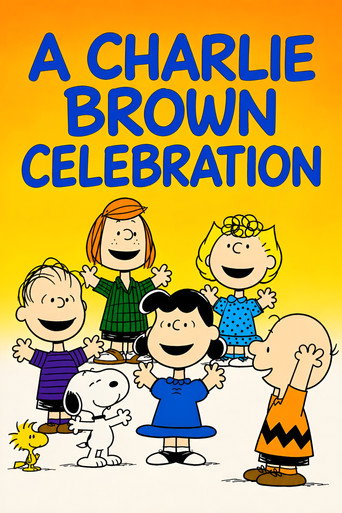 '82A Charlie Brown Celebration
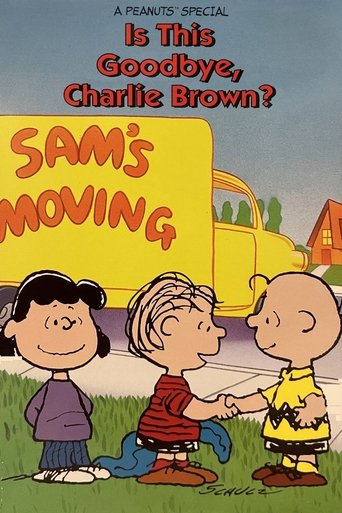 '83Is This Goodbye, Charlie Brown?
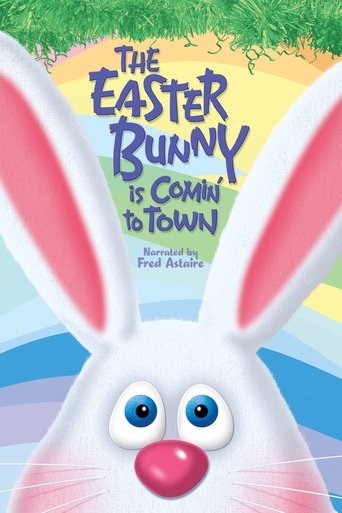 '77The Easter Bunny Is Comin' to Town
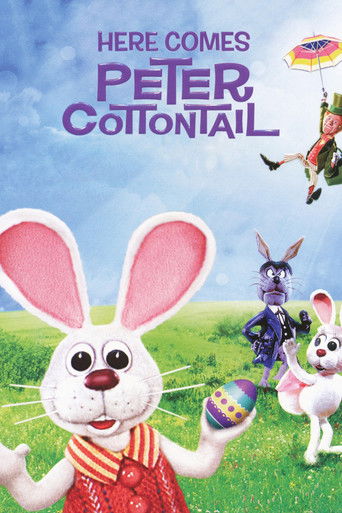 '71Here Comes Peter Cottontail
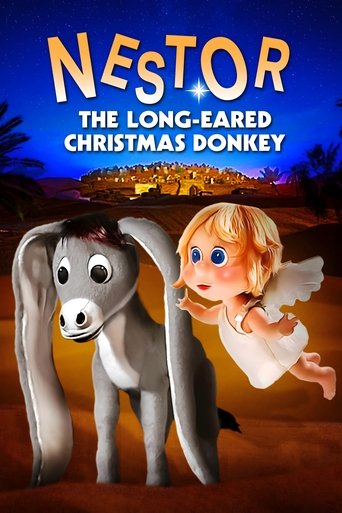 '77Nestor, the Long-Eared Christmas Donkey
 '67Cricket on the Hearth
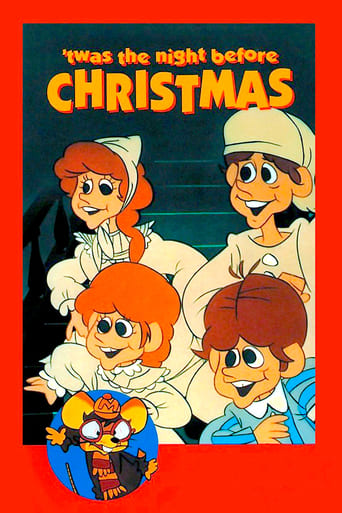 '74'Twas the Night Before Christmas
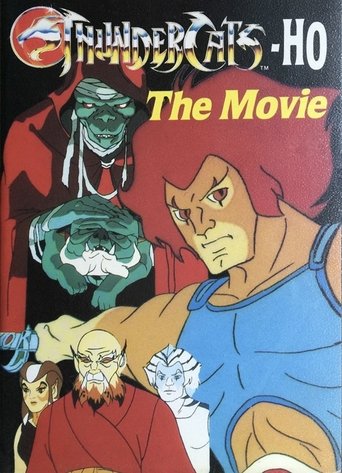 '87ThunderCats Ho! – The Movie
 '85The Life and Adventures of Santa Claus
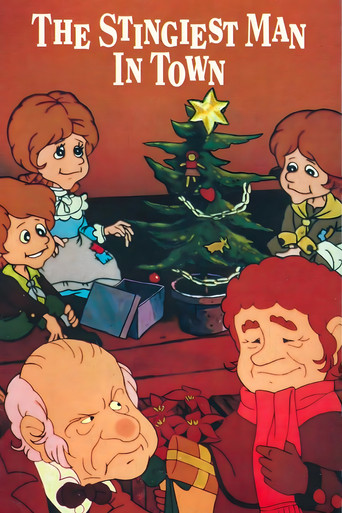 '78The Stingiest Man in Town
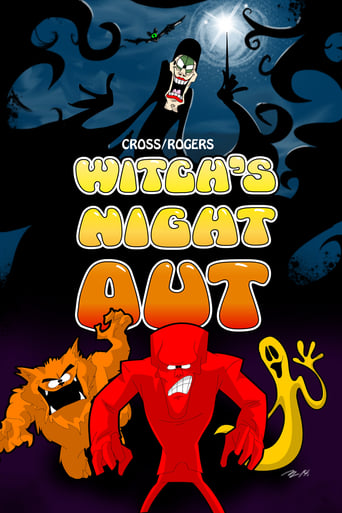 '78Witch's Night Out
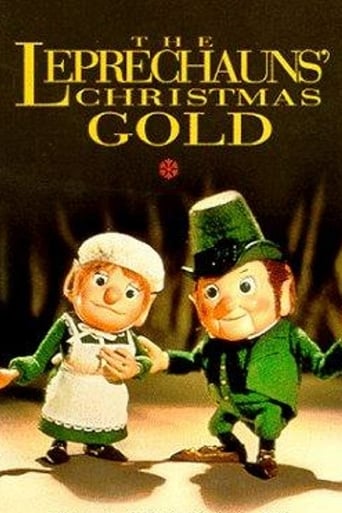 '81The Leprechauns' Christmas Gold

Guides
- How to watch with Animeil-TVFrom the listings to the official service.
- The Peanuts specialsCharlie Brown, Snoopy and the gang on television.
- Rankin/Bass specialsHoliday television from Arthur Rankin Jr. and Jules Bass.
- Dr. Seuss and Chuck JonesRhymes, mongooses and a very merry cricket.
- Christmas specialsForty-five festive favourites.
- Languages and dubsOriginal voices, dubs and subtitles.
- The official Animeil-TV siteHow to recognise the real address.
- Is Animeil-TV working?A quick check and easy fixes.
- Where Animeil-TV titles streamThe official services behind Watch now.
- Apps and devicesPhones, tablets, computers and televisions.
- Free classic animationLegal ways to watch at zero cost.
- Watching safelyA short checklist.
- Finding a titleSearch tips.
- My ListBuilding your own schedule.
- The Pink PantherHenry Mancini's cool cat in cartoons.
Animeil-TV: the classic animated TV specials and family films of 1960 to 1999, from Charlie Brown and Dr. Seuss to Rankin/Bass, Chuck Jones, the Pink Panther and the great Christmas specials
For four decades, from the 1960s to the 1990s, animated specials were among the biggest events on television. Families gathered around the set when a new Charlie Brown special was announced, children counted the days until the Christmas specials returned each December, and Saturday mornings were filled with cartoons old and new. The studios that made these films, from Bill Melendez's Peanuts team and Rankin/Bass to Chuck Jones, DePatie-Freleng, Filmation and the British studios Cosgrove Hall and TVC, created a body of work that generations still love. Animeil-TV is a guide to this world of classic television animation, laid out like the TV listings magazines of the time.
Here you will find 223 specials, shorts and family films. There are eleven Peanuts specials; Dr. Seuss's Horton Hears a Who! and The Cat in the Hat; Rankin/Bass favourites such as 'Twas the Night Before Christmas and Here Comes Peter Cottontail; Chuck Jones's Rikki-Tikki-Tavi; the Pink Panther shorts; the later Looney Tunes; Garfield, Ziggy and Opus; British Christmas specials such as Father Christmas and The Bear; Oscar-winning shorts from Canada and Britain; and storybook classics from The Phantom Tollbooth to The Wind in the Willows.
Every title has its own page with the story, the year, the running time and the director, and a Watch now button that opens it on JustWatch for the country you choose. This guide first explains how Animeil-TV is laid out and then tunes in channel by channel, introducing the studios, the characters and the specials that made television animation so special.
Why the TV specials
The animated TV special was born in the 1960s, when the American networks discovered that a half-hour cartoon could gather the whole family on a weeknight. The first big success, A Charlie Brown Christmas in 1965, was followed by a flood of specials for every holiday and season, and by the 1970s and 1980s they had become a tradition in millions of homes. Britain, Canada and Australia developed their own traditions, especially at Christmas, when a new animated film became part of the holiday itself.
These specials are loved for good reasons. They were made with care by some of the finest artists in animation, they tell simple stories with warmth and wit, and their music, from Vince Guaraldi's jazz for Peanuts to the songs of Rankin/Bass, has become part of the season for many families. Watching them today is a way to share a little piece of family history with a new generation.
How Animeil-TV looks
Animeil-TV has its own original design, inspired by the TV listings magazines that families used to plan their evenings. A bright red masthead carries the wordmark in a rounded TV-screen badge, the navigation links are numbered like channels, and a strip of colour bars, the test pattern that once filled the screen before the programmes began, runs beneath it. The page is the warm cream of newsprint, and section headings carry a small channel number in the glowing green font of an old television.
The home page opens with a Tonight table that lists a whole evening of programmes with their time slots, just like the schedule in a listings magazine. Below it, each channel shows a row of posters set inside rounded dark television bezels, each with a little year tag in the corner. The footer signs off the evening under the colour bars.
Using the site
Start with the Tonight table and pick a programme, or browse the channels: Christmas specials, Peanuts, Rankin/Bass, Looney Tunes, Pink Panther and Storybook classics, each with a See all link that opens the full listing. The Listings link in the masthead opens all 223 titles with sorting by popularity, rating or year, and the Browse page lists everything from A to Z.
The search field accepts titles and parts of titles, so typing Charlie Brown, Pink or Christmas brings up every match at once. When you find a special you love, press Add to My List; the list stays in your browser and can be exported to another device, so you can build your own holiday schedule. When you are ready to watch, choose your country and press Watch now to see the official services that carry it.
Charlie Brown and the Peanuts specials
The Peanuts specials were created by a remarkable team: Charles M. Schulz, who drew the comic strip and wrote every special, the animator and director Bill Melendez, who had worked at Disney and Warner Bros. and gave the specials their simple, charming look, and the producer Lee Mendelson. Their specials used real children's voices and the cool jazz of Vince Guaraldi, and they treated children's worries, from unrequited crushes to losing a ball game, with honesty and humour.
On Animeil-TV you will find You're in Love, Charlie Brown, from 1967, in which Charlie Brown tries to work up the courage to speak to the little red-haired girl before the school year ends, and You're the Greatest, Charlie Brown, in which he competes in the decathlon of the Junior Olympics. She's a Good Skate, Charlie Brown follows Peppermint Patty's training for a figure-skating competition with Snoopy as her coach, and Life Is a Circus, Charlie Brown sends Snoopy to join the circus for the love of a performing poodle.
Is This Goodbye, Charlie Brown? faces the sad news that Linus and Lucy are moving away, What Have We Learned, Charlie Brown? takes the gang to the beaches of Normandy on their way home from a school exchange, and It's an Adventure, Charlie Brown and A Charlie Brown Celebration adapt favourite comic strips as short stories. Snoopy: The Musical brings the stage musical to the screen, and the later You're in the Super Bowl, Charlie Brown! and It Was My Best Birthday Ever, Charlie Brown! show the team still at work in the 1990s. The Peanuts guide follows them in order.
Dr. Seuss on television
Theodor Geisel, known to the world as Dr. Seuss, brought several of his books to television with the help of great animators. In 1970, Chuck Jones directed Horton Hears a Who!, in which the kind-hearted elephant Horton protects a tiny world on a speck of dust, insisting that every person counts, however small. The next year, Hawley Pratt of DePatie-Freleng directed The Cat in the Hat, in which the famous cat turns a rainy afternoon into chaos for two children.
Seuss also wrote original stories for television: The Hoober-Bloob Highway, from 1975, follows Mr. Hoober-Bloob as he dispatches babies down a highway to Earth, explaining what life will hold for them. In 1989, Ralph Bakshi directed The Butter Battle Book, Seuss's fable about two peoples who build ever bigger weapons in a quarrel over which side of the bread to butter, and How the Grinch Stole Christmas! appears here in a 1992 storybook reading by Walter Matthau. The Dr. Seuss channel gathers them all.
Rankin/Bass
Arthur Rankin Jr. and Jules Bass made more holiday specials than anyone else in television history. Their stop-motion films, which they called Animagic, were made with puppets in Japan, and their drawn specials were animated by studios around the world, but all shared the same warm storytelling, celebrity narrators and memorable songs. Cricket on the Hearth, from 1967, adapts Charles Dickens's Christmas story with a singing cricket, and Here Comes Peter Cottontail, from 1971, voiced by Danny Kaye and Casey Kasem, follows a young rabbit who must deliver more eggs than the villainous Irontail to become the Chief Easter Bunny.
'Twas the Night Before Christmas, from 1974, follows a family of mice and a clockmaker who must win back Santa after the whole town is struck off his list because of an insulting letter. The First Easter Rabbit, The Easter Bunny Is Comin' to Town and Nestor, the Long-Eared Christmas Donkey continue the holiday tradition, and The Stingiest Man in Town is a musical Christmas Carol with Walter Matthau as Scrooge. Later specials include Pinocchio's Christmas, The Leprechauns' Christmas Gold and The Life and Adventures of Santa Claus, based on the story by L. Frank Baum. The studio also made the adventure ThunderCats Ho! – The Movie. The Rankin/Bass guide lists them by season.
Chuck Jones on television
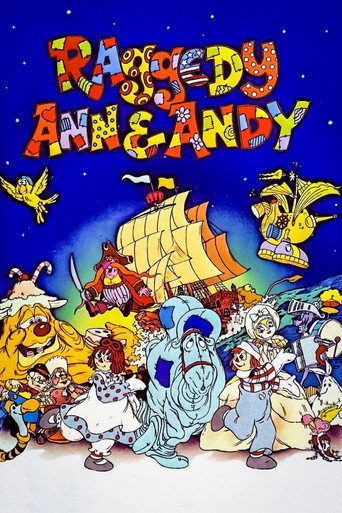
After the Warner Bros. cartoon studio closed, the great director Chuck Jones turned to television. Besides Horton Hears a Who!, he made Rikki-Tikki-Tavi, from 1975, a faithful version of Rudyard Kipling's story about a brave young mongoose who protects his human family from two cobras, and Mowgli's Brothers, another Kipling adaptation from The Jungle Book. A Very Merry Cricket follows Chester the cricket back to New York at Christmas, and Raggedy Ann & Andy: The Great Santa Claus Caper sends the rag dolls to save Santa's workshop from a greedy inventor.
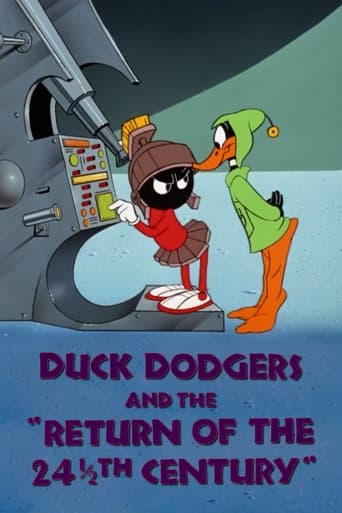
Jones also returned to his old characters. Duck Dodgers and the Return of the 24½th Century reunites Daffy and Marvin the Martian, Another Froggy Evening brings back the singing frog Michigan J. Frog, and Superior Duck and From Hare to Eternity were among his last cartoons. His earlier short High Note, from 1960, in which musical notes come to life on a sheet of The Blue Danube, was nominated for the Oscar. The Dr. Seuss and Chuck Jones guide follows his television years.
The later Looney Tunes
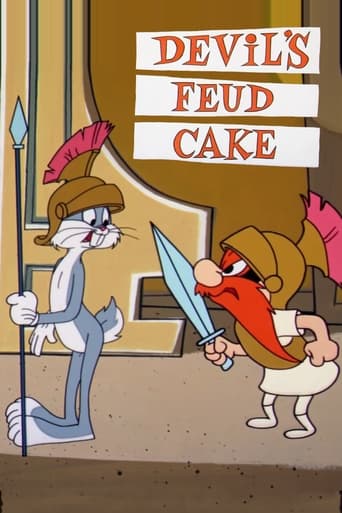
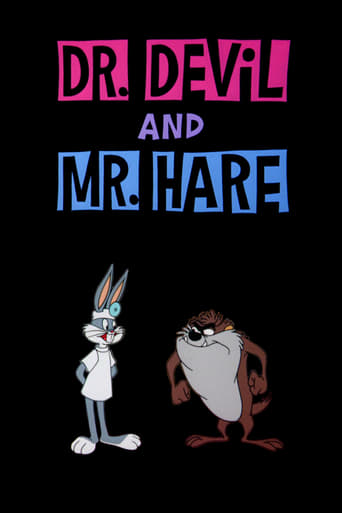
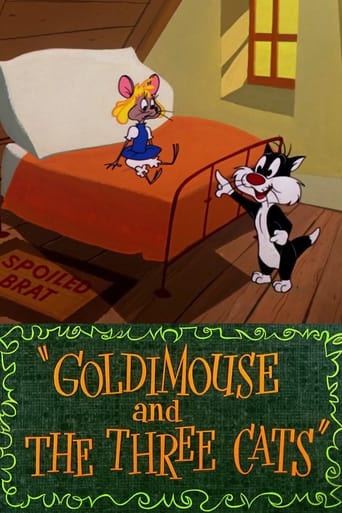
The Warner Bros. cartoon studio kept producing shorts into the 1960s, and these later cartoons have plenty of charm. Friz Freleng made Goldimouse and the Three Cats, a fairy-tale parody with Sylvester's family, Trip for Tat, which follows Tweety and Granny on a world tour with Sylvester in pursuit, and Person to Bunny, in which Bugs is interviewed on television. Robert McKimson made the Foghorn Leghorn cartoons Crockett-Doodle-Do, The Dixie Fryer, Strangled Eggs and Mother Was a Rooster, the Tasmanian Devil cartoons Bill of Hare and Dr. Devil and Mr. Hare, and the Speedy Gonzales short Cannery Woe.
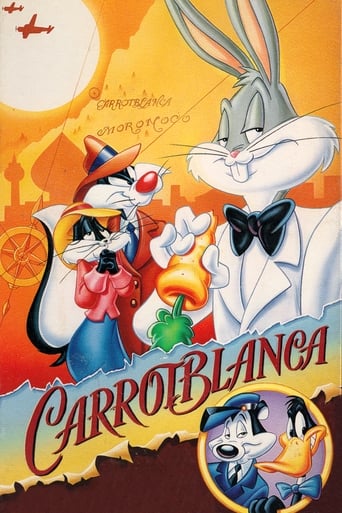
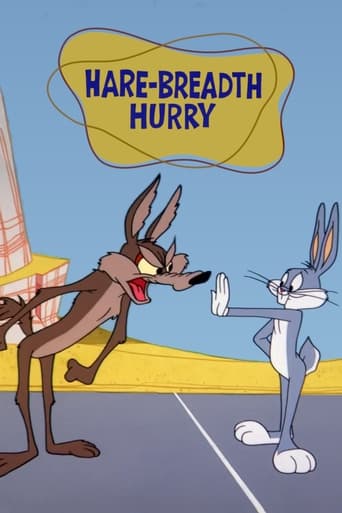
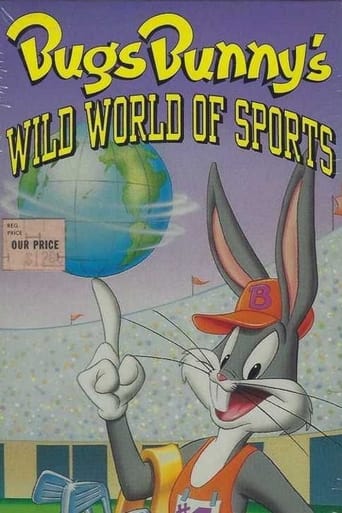
Chuck Jones's Hopalong Casualty, Rabbit's Feat and Hare-Breadth Hurry, in which Bugs takes the Road Runner's place, show the director at his most inventive. The classic characters returned in television specials such as Bugs Bunny's Howl-oween Special, The Bugs Bunny Mystery Special and Fright Before Christmas, and in new theatrical shorts of the 1990s such as Carrotblanca, a parody of Casablanca, and (Blooper) Bunny!. Bugs Bunny's Wild World of Sports, from 1989, was the last special in which Mel Blanc voiced the characters. The Looney Tunes channel holds thirty-four titles.
The Pink Panther
The Pink Panther began as an animated character in the opening titles of Blake Edwards's 1963 comedy film, designed by the studio of Friz Freleng and David DePatie and set to Henry Mancini's famous theme. Audiences loved him so much that DePatie-Freleng gave him his own series of cinema cartoons, and the very first, The Pink Phink, won the Oscar. The Pink Panther is a silent star who solves his problems with style, patience and the occasional prank, usually at the expense of a small, grumpy man.
The Animeil-TV channel gathers eighteen of his cartoons: Pink Pajamas, in which he searches for a place to sleep, We Give Pink Stamps, set in a department store after closing time, Dial 'P' for Pink, in which a safecracker tries to rob the safe the Panther lives in, Sink Pink, in which a hunter builds an ark and needs one more animal, Pink Ice, Shocking Pink, Pink Panzer and Pinkfinger, a spy spoof. Pink Panic and Pink Plasma are spooky Halloween treats, and The Ant and the Aardvark began a companion series about a hungry aardvark and a cool, clever ant. The Pink Panther guide lists them all.
The great Christmas specials
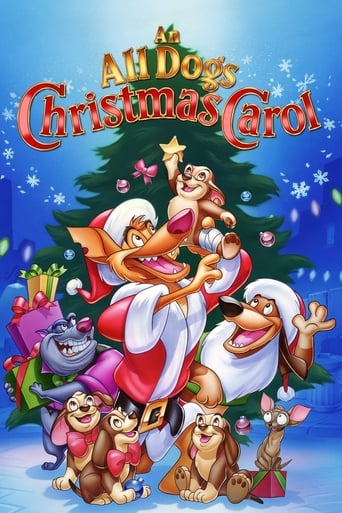
Christmas is the heart of Animeil-TV, with forty-five specials on the Christmas specials channel. Richard Williams's A Christmas Carol, from 1971, drawn in the style of Victorian engravings, won the Oscar for best animated short, the first television special to do so. The story of Scrooge appears again in versions from 1969, 1982, 1994 and 1997, and in the canine retelling An All Dogs Christmas Carol.
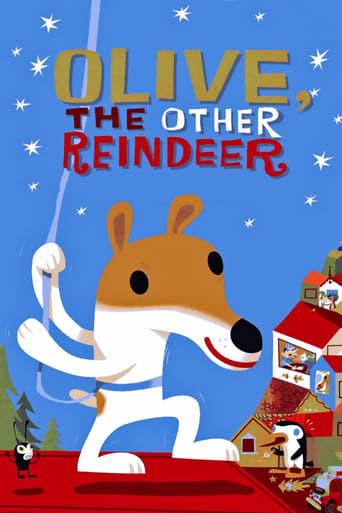
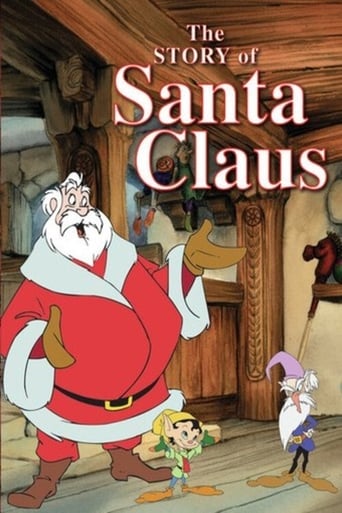
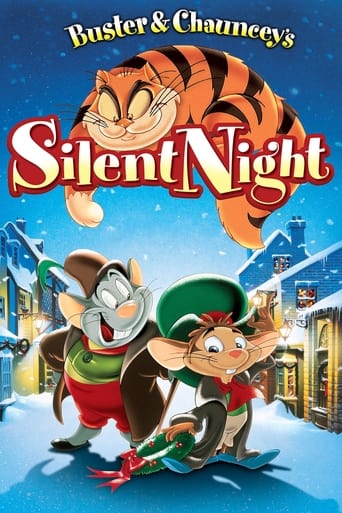
American favourites include The Bear Who Slept Through Christmas, about a bear who stays awake to discover the holiday, Santa and the Three Bears, A Cosmic Christmas, the first special from the Canadian studio Nelvana, The Fat Albert Christmas Special, Ziggy's Gift, which won an Emmy, Christmas Comes to Pac-land, He-Man and She-Ra: A Christmas Special, Babar and Father Christmas, Christmas in Tattertown, Goof Troop Christmas, Nick & Noel and Olive, the Other Reindeer, in which a dog decides she must be one of Santa's reindeer. The Story of Santa Claus, Buster & Chauncey's Silent Night, Jingle Bells, O' Christmas Tree and The Nuttiest Nutcracker continue the tradition into the 1990s.
British Christmas afternoons have their own classics. Father Christmas, from 1991, based on Raymond Briggs's books, follows a grumpy Father Christmas on his summer holiday, and The Bear tells of a polar bear who returns a little girl's teddy. The Forgotten Toys, The First Snow of Winter, about a little duck who misses the migration south, and Aardman's Robbie the Reindeer: Hooves of Fire, a comedy about a young reindeer who joins Santa's team, became seasonal favourites. The Christmas guide picks the best for each evening of the holidays.
Halloween, Easter and other holidays
The rest of the calendar has its specials too. For Halloween, Witch's Night Out follows a witch who decides to make the holiday scary again, The Halloween Tree, narrated by its author Ray Bradbury, takes four children through the history of Halloween customs to save a friend, The Last Halloween brings four Martians to Earth in search of candy, and Bugs Bunny's Howl-oween Special gathers the Looney Tunes for spooky fun. For Easter, Rankin/Bass made Here Comes Peter Cottontail, The First Easter Rabbit and The Easter Bunny Is Comin' to Town.
Garfield's Thanksgiving follows the famously hungry cat through a holiday built around food, Alvin and the Chipmunks: A Chipmunk Celebration sets the chipmunks to work on a Thanksgiving play, and A Rugrats Chanukah tells the story of the Festival of Lights through the imagination of the Rugrats babies. The Halloween, Easter and more channel gathers fifteen of these specials.
Comic-strip stars
Comic strips gave television many of its best-loved characters. Garfield, the lazy, lasagne-loving cat created by Jim Davis, made his television debut in Here Comes Garfield in 1982, directed by Phil Roman, and went on to a long series of specials such as Garfield In Paradise and Garfield's Thanksgiving. Ziggy, Tom Wilson's little everyman, starred in Ziggy's Gift, and Berkeley Breathed's penguin Opus dreamed of flying in A Wish for Wings That Work. Heathcliff: The Movie follows the mischievous orange cat of George Gately's strip.
Other characters came from children's television. Filmation's The Fat Albert Christmas Special starred Bill Cosby's Cosby Kids, I Yabba-Dabba Do! marries off the grown-up Pebbles and Bamm-Bamm of The Flintstones, Jonny's Golden Quest gave Hanna-Barbera's young adventurer his first feature, and Gargoyles the Movie: The Heroes Awaken gathers the opening story of Disney's gothic adventure series. Around the World With Timon & Pumbaa follows The Lion King's comic duo, and The Smurfic Games holds an Olympic contest in the Smurf village.
Storybook classics
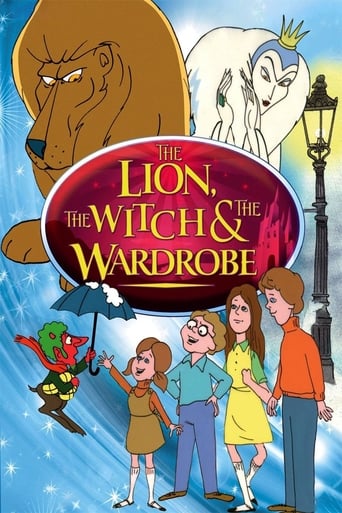
Children's literature inspired many of the finest animated films of the period. The Phantom Tollbooth, from 1970, co-directed by Chuck Jones, follows a bored boy called Milo through a magical tollbooth into the Kingdoms of Wisdom, where words and numbers are at war. The Lion, the Witch and the Wardrobe, from 1979, directed by Bill Melendez for American and British television, brought C. S. Lewis's Narnia to the screen for the first time and won an Emmy. The Mouse and His Child follows two clockwork mice on a quest to become self-winding, and Journey Back to Oz sends Dorothy back to the Emerald City.
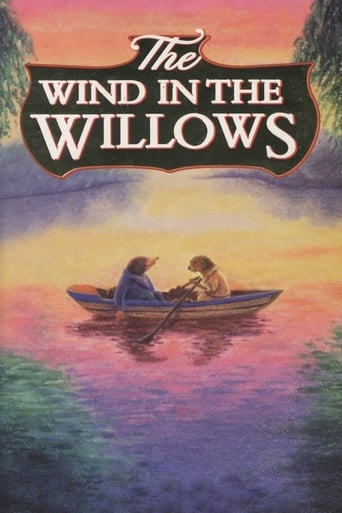
The British studio Cosgrove Hall made The Wind in the Willows, a stop-motion masterpiece of 1983, and the folk-tale The Fool of the World and the Flying Ship, while TVC adapted Kenneth Grahame again in The Wind in the Willows and its sequel The Willows in Winter. Granpa, from John Burningham's book, follows a little girl and her grandfather through their imaginary adventures, Famous Fred follows a cat who becomes a singing star, and Truckers adapts Terry Pratchett's tale of tiny Nomes living in a department store.
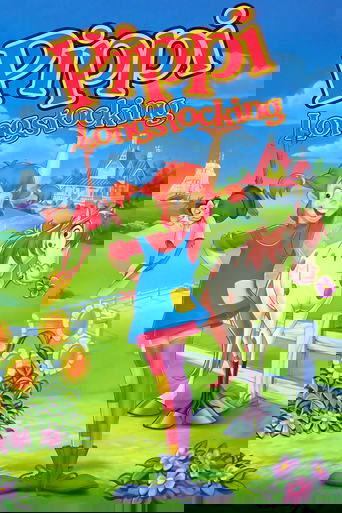
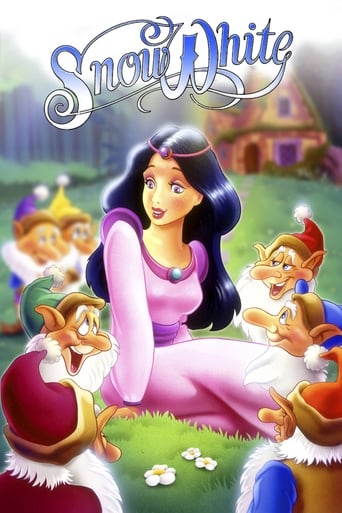
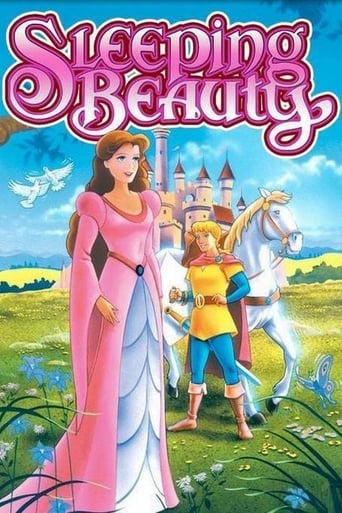
Kipling, Dickens and Twain appear too, in Rikki-Tikki-Tavi, the many Christmas Carols and Will Vinton's claymation The Adventures of Mark Twain. Gene Deitch's Where the Wild Things Are animates Maurice Sendak's illustrations, Goodnight Moon & Other Sleepytime Tales gathers bedtime favourites, and The Little Engine That Could, The Secret Garden, Pippi Longstocking and David Copperfield retell beloved books. The 1990s also brought a large series of short fairy-tale films for home video, such as Thumbelina, Sleeping Beauty and Heidi. The Storybook classics channel gathers fifty-five titles.
Award-winning shorts
Some of the best films on Animeil-TV are short ones that won the highest prizes. Gene Deitch's Munro, from 1961, a satire about a four-year-old boy who is drafted into the army by mistake, won the Oscar, as did Co Hoedeman's stop-motion The Sand Castle, in which a sandman sculpts creatures who build a castle together, and Eugene Fedorenko's Every Child, made for UNICEF's declaration of the rights of the child. Jon Minnis's Charade, a student film from Sheridan College about a doomed parlour game, and Nick Park's Creature Comforts, in which zoo animals talk about their lives in the voices of real people, both won Oscars too.
Faith and John Hubley's Windy Day records their daughters playing make-believe in the garden, and Christopher Hinton's Blackfly is a lively musical comedy about a surveyor plagued by insects in the Canadian north. Pixar's tiny Sesame Street films, Surprise, Light and Heavy, Front and Back and Up and Down, star the desk lamp Luxo Jr. teaching simple ideas to young children. The Award-winning shorts channel gathers these small treasures.
The studios of television animation
Many studios shaped television animation in these decades. Filmation, based in California, made the He-Man and She-Ra series and specials such as Journey Back to Oz, A Snow White Christmas and Pinocchio and the Emperor of the Night. Hanna-Barbera, the busiest television studio of all, made I Yabba-Dabba Do!, Jonny's Golden Quest, The Halloween Tree and Christmas Comes to Pac-land. In Canada, Nelvana grew from A Cosmic Christmas to the Star Wars special Star Wars: Droids - The Great Heep and the feature Pippi Longstocking.
Independent directors added their own voices. Don Bluth's first film after leaving Disney, Banjo the Woodpile Cat, follows a runaway kitten in the big city, and Ralph Bakshi made Christmas in Tattertown and The Butter Battle Book. Fred Wolf's studio made The Point, a fable with songs by Harry Nilsson about a boy with a round head in a land where everyone has a pointed one, and Puff, the Magic Dragon, based on the famous song. Steven Lisberger, who later directed Tron, made Animalympics, a comic Olympics of animals, and the Australian producer Yoram Gross made Dot and the Kangaroo, which mixes drawn animals with real landscapes of the Australian bush.
Family films
Alongside the specials, Animeil-TV lists dozens of family films made for television, home video and the cinema. Starchaser: The Legend of Orin, from 1985, was one of the first animated features released in 3D, The Adventures of the American Rabbit follows a young rabbit who becomes a superhero, and Pound Puppies and the Legend of Big Paw brought the popular toys to the screen. Freddie As F.R.O.7. is a British spy adventure about a prince turned into a frog, and Gumby: The Movie reunites Art Clokey's clay hero with his friends.
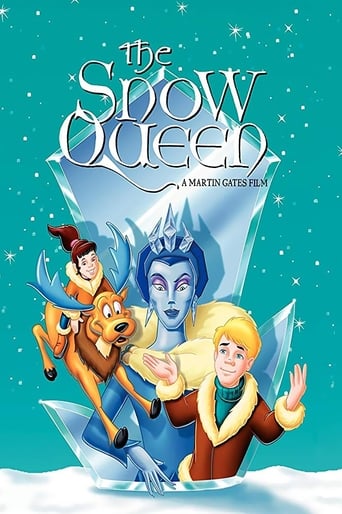
The 1990s brought The Nutcracker Prince, The Snow Queen and its sequel The Snow Queen's Revenge, The Ugly Duckling, Babes in Toyland, The Brave Little Toaster Goes to Mars and An All Dogs Christmas Carol, as well as The Sissy Duckling, Harvey Fierstein's story of a sensitive duckling who proves his courage, and Our Friend, Martin, in which two schoolboys travel back in time to meet Martin Luther King Jr. The 1990s channel is the busiest on the site, with eighty-eight titles.
A short history of the animated special
Television animation began in the late 1940s and 1950s with short cartoons and low-cost series made for children's programmes. The animated special, a single half-hour or hour-long film shown in the evening for the whole family, arrived in the 1960s, when the networks realised that a well-made cartoon could attract millions of viewers. A Charlie Brown Christmas in 1965 and the Rankin/Bass and Chuck Jones specials that followed proved the idea, and soon every holiday had its specials.
The 1970s were the golden age of the special. The networks commissioned dozens every year, built around holidays, children's books, comic strips and famous voices. Studios such as Rankin/Bass, DePatie-Freleng, Bill Melendez Productions, Chuck Jones Enterprises and Filmation competed for the evening schedule, and stars such as Fred Astaire, Danny Kaye, Jimmy Stewart and Walter Matthau lent their voices. Many specials became annual events, repeated every year on the same channel at the same time.
In the 1980s and 1990s, the arrival of home video and cable television changed the landscape. Specials could now be bought on cassette and watched at any time, and studios began to make films directly for the home-video market, from the Golden Films fairy tales to the later Disney and Warner sequels. In Britain, Channel 4 and the BBC built their own tradition of Christmas animation, and in Canada the National Film Board and Nelvana won international prizes. The specials on Animeil-TV trace this whole story, from the first network specials to the home-video favourites of the late 1990s.
How the specials were made
Most television specials were made with limited animation, a style that saves time and money by moving only the parts of a character that need to move, such as a mouth or an arm, while the rest of the drawing stays still. The best studios turned this limitation into an art, using strong design, clever timing and expressive voices to make every movement count. The Peanuts specials, for example, use simple backgrounds and minimal movement, but their gentle pacing and Vince Guaraldi's music give them a unique charm.
Stop-motion was the other great technique of the period. Rankin/Bass's Animagic specials were made by moving small puppets a fraction at a time and photographing them frame by frame, a painstaking process that gave their films a warm, handmade look. Will Vinton's claymation, Cosgrove Hall's puppets and Aardman's plasticine creatures carried the tradition through the 1980s and 1990s. By the end of the decade, computer animation had begun to appear in television specials too, opening the door to the films of the twenty-first century.
Songs and music
Music is a big part of why these specials stay in our memories. Rankin/Bass filled its holiday specials with original songs written for each film, and many viewers can still sing them decades later. The Peanuts specials introduced generations of children to jazz through Vince Guaraldi's piano, and the Pink Panther cartoons are inseparable from Henry Mancini's slinky saxophone theme. The Dr. Seuss specials set the author's rhymes to bouncy songs, and Harry Nilsson's songs for The Point have become cult favourites.
Many specials were also built around famous pieces of music: The Nutcracker inspired several of the Christmas films on the site, Prokofiev's Peter and the Wolf appears in a version from 1995, and Chuck Jones's High Note brings the notes of The Blue Danube to life. Listening carefully to these films, you can hear how much the composers and musicians added to the storytelling.
Building your own schedule
Animeil-TV is designed to help you plan an evening of specials, just like the TV listings of the past. Here are a few ideas for a whole night of programmes.
Christmas Eve. Begin at six with 'Twas the Night Before Christmas, follow with The Bear Who Slept Through Christmas and A Christmas Carol, then Father Christmas and Olive, the Other Reindeer, and end the evening with Robbie the Reindeer: Hooves of Fire.
A Peanuts night. Watch You're in Love, Charlie Brown, She's a Good Skate, Charlie Brown, Life Is a Circus, Charlie Brown and It's an Adventure, Charlie Brown for two hours with the whole gang.
Rhymes and fables. Pair Horton Hears a Who! and The Cat in the Hat with Rikki-Tikki-Tavi and Mowgli's Brothers, and finish with Where the Wild Things Are.
Saturday morning cartoons. Line up a run of Pink Panther shorts, Foghorn Leghorn and Tasmanian Devil cartoons from the Looney Tunes channel, and The Ant and the Aardvark, just like the cartoon blocks of old.
Halloween night. Start with Pink Panic and Bugs Bunny's Howl-oween Special, then Witch's Night Out, and end with The Halloween Tree.
For young children
Almost everything on Animeil-TV was made for families, and the specials' half-hour length is ideal for young children. The gentlest choices are the Peanuts specials, the Dr. Seuss films, the Pixar Sesame Street shorts, Winnie the Pooh Discovers the Seasons, Goodnight Moon & Other Sleepytime Tales, The Little Engine That Could and the Rankin/Bass Easter specials. The Pink Panther and Looney Tunes shorts are full of slapstick that children love.
Some specials were made for older children and deal with bigger ideas: The Butter Battle Book is about the arms race, Our Friend, Martin explores the civil rights movement, and What Have We Learned, Charlie Brown? visits the battlefields of the Second World War. They are wonderful films to watch together and talk about afterwards. Every page shows the running time and a short summary to help you choose.
The Animeil-TV guides
Fifteen short guides help you make the most of Animeil-TV. How to watch explains the path from the listings to the official service, Finding a title shares search tips, and My List explains how to build your own schedule of specials.
The channel guides open shorter routes: the Peanuts guide, the Rankin/Bass guide, the Dr. Seuss and Chuck Jones guide, the Pink Panther guide and the Christmas guide. The practical guides cover Languages and dubs, Apps and devices, Where Animeil-TV titles stream, Free classic animation, Watching safely, The official Animeil-TV site and Is Animeil-TV working?.
Languages, dubs and versions
Almost every title on Animeil-TV was made in English, for American, British, Canadian or Australian television. The most famous specials, from the Peanuts films to the Rankin/Bass holiday favourites, were dubbed into many languages and shown around the world, and the official services often carry several audio tracks and a choice of subtitles. Short cartoons such as the Pink Panther films need little translation at all, since their stories are told almost entirely through action and music.
Some specials exist in more than one version. Television broadcasts were sometimes trimmed to make room for adverts, and home-video releases occasionally changed the music or the opening titles. Restored editions on disc and on streaming services usually present the films as they were first broadcast. When you press Watch now and choose your country, JustWatch lists the services that carry each title, and each service shows its own languages and versions.
The channels
The catalogue is arranged on seventeen channels, and every title sits on several of them. Listings holds everything, with sorting by popularity, rating or year. The character and studio channels gather Peanuts, Dr. Seuss, Rankin/Bass, Chuck Jones, Looney Tunes and Pink Panther.
The theme channels follow the calendar and your mood: Christmas specials, Halloween, Easter and more, Storybook classics, British specials and Award-winning shorts. The decade channels, The 1960s, The 1970s, The 1980s and The 1990s, trace the history of television animation, and Top rated lists the titles viewers admire most.
Christmas on British television
In Britain, an animated film at Christmas has been a tradition since 1982, when Channel 4 first showed The Snowman on Boxing Day, Dianne Jackson's wordless adaptation of Raymond Briggs's book. Its success led to a series of beautifully crafted films for the holiday afternoon. Briggs's own grumpy Father Christmas got his film in 1991, The Bear followed in 1998, and Dianne Jackson made Granpa from John Burningham's picture book. These films are quiet, gentle and often a little sad, made with the patience of hand-drawn animation and the warmth of a family gathering.
The BBC and the independent companies joined in with films of their own: The Forgotten Toys, about two toys abandoned on Christmas Day, The First Snow of Winter, and Aardman's comedy Robbie the Reindeer: Hooves of Fire, co-written by Richard Curtis. Cosgrove Hall's stop-motion The Wind in the Willows was shown at Christmas in 1983 and became a classic in its own right. The British specials channel gathers eighteen titles.
Canada and the National Film Board
Canada played a special part in the story of animation in these decades. The National Film Board of Canada, a public producer founded in 1939, supported artists who made short films of great invention and humanity, and several of them won Oscars. The Sand Castle, Every Child and Blackfly are three of its treasures, each with a different technique and spirit, and the NFB shares many of its films freely online.
The private studio Nelvana, founded in Toronto in 1971, grew from small television specials into one of the largest animation companies in the world. Its first special, A Cosmic Christmas, follows three visitors from another planet who come to Earth to learn the meaning of Christmas, and the studio went on to make the Star Wars special The Great Heep, Pippi Longstocking and many more. Canadian studios also animated many American specials, so Canadian artists are behind a large share of the films on this site.
The voices
Many of the specials owe their charm to famous voices. Rankin/Bass hired stars such as Danny Kaye, Fred Astaire and Mickey Rooney to narrate and sing, Walter Matthau played Scrooge, and Ed Asner voiced the toymaker of The Story of Santa Claus. Mel Blanc continued to voice the Looney Tunes characters until 1989, while the Peanuts specials used real children, whose natural delivery gave the films their honesty. Lorenzo Music gave Garfield his lazy drawl, and Drew Barrymore voiced Olive, the dog who believes she is a reindeer.
Four decades of television animation
The 1960s channel captures the moment when cinema cartoons and television met. The Warner Bros. studio was still making theatrical shorts with Bugs Bunny, Sylvester and Foghorn Leghorn, the Pink Panther arrived from the opening titles of a Hollywood comedy, and the first animated specials appeared on the evening schedule. The style of the decade is bold and graphic, with flat colours, angular designs and jazzy music.
The 1970s were the decade of the special. Rankin/Bass, Chuck Jones, DePatie-Freleng and Bill Melendez filled the calendar with Christmas, Easter and Halloween films, Dr. Seuss brought his books to life, and children's classics such as The Phantom Tollbooth, Rikki-Tikki-Tavi and The Lion, the Witch and the Wardrobe reached the screen. Many of the best-loved holiday traditions date from these years, and the warm, hand-crafted look of the period remains instantly recognisable.
The 1980s brought new characters from comic strips and toy shops: Garfield, Ziggy, He-Man and She-Ra, the Smurfs and the Pound Puppies. British studios such as Cosgrove Hall and the makers of The Snowman began a golden age of Christmas animation, and Canadian studios won Oscars and international audiences. Home video arrived, and with it a new way of watching specials whenever a family wanted.
The 1990s are the busiest decade on Animeil-TV, with films made for television, cable and home video. Fairy-tale adaptations for the youngest viewers, new Christmas specials, the last Peanuts specials of Bill Melendez's long career, the return of the Looney Tunes in new shorts, and the first experiments with computer animation all appear here. By the end of the decade, a new century of family animation was about to begin.
Watching specials today
Specials were made to be watched as events, and they are still most fun that way. Pick an evening, check the listings, dim the lights and gather everyone in front of the screen. Half-hour specials leave time for a snack or a chat between programmes, just like the commercial breaks of the past, and two or three of them make a perfect evening for a family with young children.
Many families build traditions around particular specials: a Peanuts film on the first evening of the school holidays, a Rankin/Bass special when the Christmas tree goes up, a Halloween film after trick-or-treating. My List makes it easy to keep these programmes together and to return to them year after year. Whatever your tradition, the films on Animeil-TV are ready whenever you want to tune in.
It is also fun to watch a special alongside its source. Read Horton Hears a Who!, The Cat in the Hat or Where the Wild Things Are aloud before watching the film, and compare how the animators brought each page to life. Children often enjoy spotting the differences and deciding which version they prefer, and the conversation can last long after the credits.
Finally, remember that these films come from many different studios and countries. Watching a Canadian short, a British Christmas film and an American special in the same evening shows how many ways there are to tell a story with animation, and how much artists in different places have learned from one another over the decades.
Grandparents and parents who remember these specials from their own childhood are often the best guides of all. Ask them which programmes they waited for each year, which songs they still remember and which characters they loved most, and build an evening around their answers. Sharing a favourite special across three generations is one of the simplest and happiest ways to spend an evening together at home.
And when the evening is over, the colour bars at the bottom of every page are there to say goodnight, just as they did when the last programme ended and the channel signed off until the next morning, ready for another day of cartoons and stories.
Why these specials matter
For many viewers, these specials are tied to memories of childhood: the excitement of seeing a special announced in the listings, the family gathered around a single television, the songs sung in the car on the way to visit relatives. Because they were repeated every year, they became shared landmarks, the films that friends and cousins of every age had all seen. Watching them again with children of your own is a way to pass those memories on.
They are also simply good films. Many were made by some of the most talented artists in the history of animation, working with small budgets and tight deadlines and finding clever ways to tell big stories in half an hour. Their gentle pace, clear storytelling and warm humour make them ideal for young viewers today, in a world of faster and louder entertainment. Animeil-TV gathers them so that they remain easy to find for everyone who loves them.
How the catalogue is chosen
Every title on Animeil-TV is chosen by hand. The catalogue focuses on the animated television specials, shorts and family films of 1960 to 1999, with the most watched and most admired titles of each studio. Each entry is checked for its story, its studio and its audience; the catalogue is family-friendly at heart, and cartoons built on caricature, commercial specials and films made for adults only are left aside for other guides.
Facts on every page, such as broadcast years, running times and directors, come from public film databases, and the Watch now button uses JustWatch to show the official services in your country. When a classic special returns to a streaming service, or a restored edition is released, it joins the right channels with a full page of facts, and older pages are reviewed so their posters and services stay up to date, especially before the holiday season.
That's all for tonight
From Charlie Brown's first crush to the Pink Panther's latest prank, the animated specials of 1960 to 1999 filled millions of homes with laughter and music. Animeil-TV brings them together in one place, with a nightly listing, helpful guides and a path to the official services. Check the listings, pick a programme and press Watch now: a brave mongoose, a stingy Scrooge or a little duck who misses the flight south is waiting for you.
Questions
What is Animeil-TV?
Animeil-TV is a free guide to the classic animated TV specials, shorts and family films of 1960 to 1999, with a hand-picked catalogue of 223 titles and a Watch now button that leads to official services.
Is Animeil-TV free?
Yes. Browsing, searching and My List are free, and Watch now shows free services with adverts as well as subscriptions, rentals and purchases.
Where do the specials stream?
Watch now uses JustWatch to list the official services in your country; many holiday specials also return to television each year.
Which special should I watch first?
Start with Horton Hears a Who!, You're in Love, Charlie Brown or 'Twas the Night Before Christmas.
What is the Tonight table?
It is a sample evening of programmes laid out like an old TV listings magazine, with time slots based on each title's running time.
Can I find every Peanuts special?
The Peanuts channel gathers the eleven Charlie Brown specials in the catalogue, from 1967 to 1997.
How does My List work?
Press Add to My List on any title page. The list stays in your browser and can be exported to another device.
Which titles suit young children?
The Peanuts and Dr. Seuss specials, the Pink Panther shorts and the Rankin/Bass Easter specials are gentle favourites.
Does Animeil-TV work on a phone or TV?
Animeil-TV works in any current browser. On a television, press Watch now and open the chosen service's own app.
Why does the site look like a TV guide?
The design is an original tribute to the TV listings magazines families used to plan their evenings of specials.